Meal Prep for the Week, Mapped Out Meal by Meal
On this page 6
Meal prep for the week means one prep day, usually 2-3 hours, that covers breakfast, lunch, and dinner for the next five to seven days. Done right, it's one big cook session split into stages, not six separate cooking projects.
The order that saves the most time:
- Oven on first — anything roasted (chicken thighs, sheet pan vegetables, egg bites) goes in while you do everything else. 25-35 minutes, hands-off.
- Stovetop next — rice, ground meat, or a pot of chili while the oven runs. 20-25 minutes.
- No-cook last — overnight oats, yogurt bowls, and salad assembly while everything else cools enough to pack. 10-15 minutes.
That sequencing turns three hours of separate tasks into about ninety minutes of active work, because the oven and stovetop run in parallel instead of one after the other.
Portion into containers as each dish finishes, not all at the end — food that sits out cooling on the counter for an hour before portioning loses more quality than food portioned hot and refrigerated.
I built exactly this sequence — recipes, oven timing, and the grocery list — into the free 7-Day High-Protein Plan.
Splitting a week across two cook sessions
A single three-hour Sunday session isn't the only way to do meal prep for the week. Splitting it into a Sunday session (dinners and lunches) and a shorter Wednesday session (fresh breakfast and anything that didn't freeze well) keeps food fresher through day seven and cuts the Sunday load to under two hours.
This matters most for anything with avocado, fresh herbs, or delicate greens — those don't make it past day one or two no matter how well they're stored, so a midweek top-up session is the only way to have them at all.
What goes in the fridge versus the freezer
Cooked chicken, beef, and egg dishes hold 3-4 days in the fridge — check your own kitchen past that point. Rice and pasta hold about the same. Anything you won't reach by day four should go straight into the freezer after cooking, not after four days of sitting in the fridge first. Chili, sheet pan chicken, and ground meat skillets all freeze for a month or more. Salads, yogurt bowls, and anything with fresh avocado don't freeze.
Container math that avoids the Thursday problem
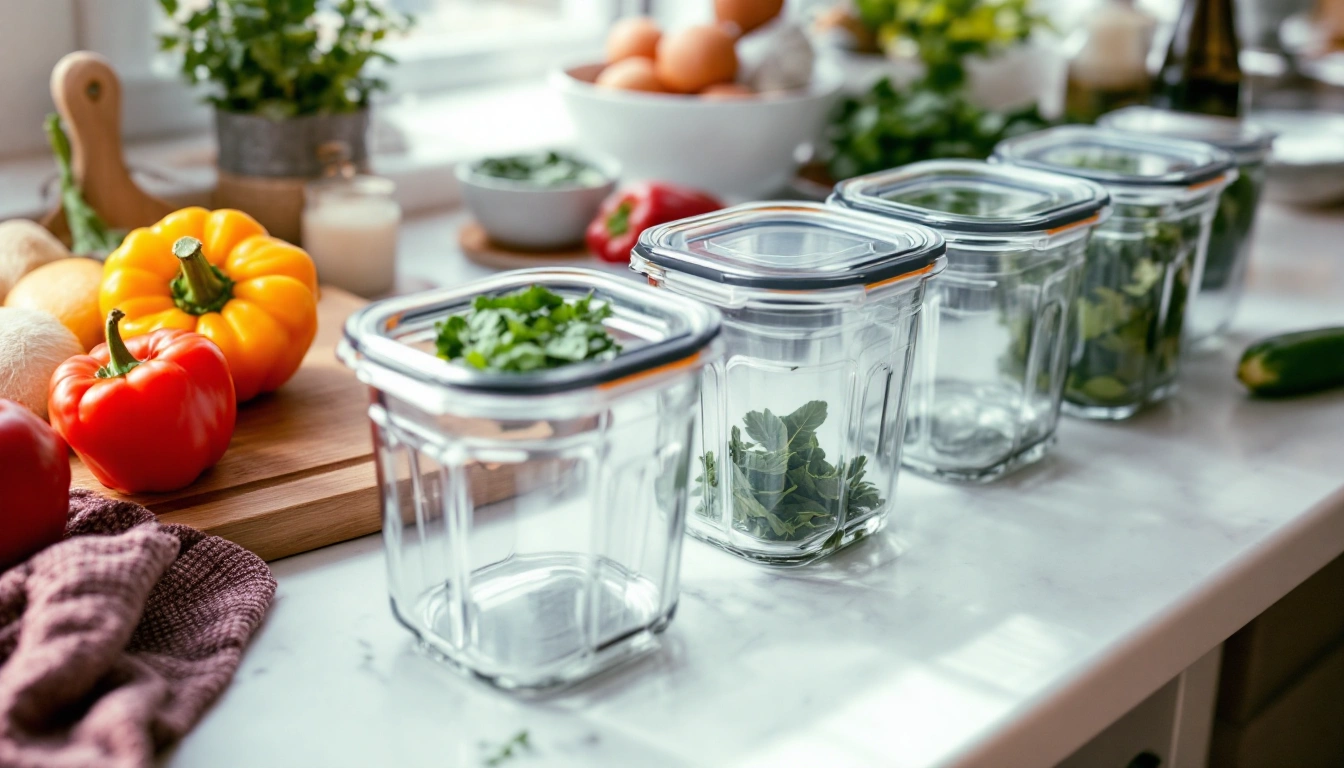
One container per meal, portioned on prep day, not one big tub you serve from all week. A shared tub means the first person to open it takes the biggest piece, and by Thursday the portions are uneven and the motivation is gone. Buy containers in one size for the week's lunches and a second, larger size for dinners — two sizes cover almost every meal prep for the week plan.
The three mistakes that end a meal prep week early
- Prepping seven days of one dish. Day five of the same bowl is the day most people quietly stop. Two or three different meals, repeated across the week, works better than one meal repeated seven times.
- Skipping the reheat test. Some dishes go rubbery or dry in the microwave. Test one portion the day you cook it, not the first time you're hungry and rushed.
- No backup for the day plans fall apart. Keep one shelf-stable option — a can of tuna, a protein bar — for the day the schedule changes and prep day food isn't where you left it.
Keeping the grocery list from creeping
Meal prep for the week only stays fast if the grocery list doesn't grow every time. Sticking to the same handful of proteins and staples, adding one new ingredient at a time rather than overhauling the whole list, keeps the shopping trip short and keeps the cost predictable from week to week. A completely new list every Sunday is usually a sign the plan is being rebuilt from scratch instead of adjusted.
Write the list in the same order every time — same store, same aisles — and it becomes something you barely have to think about by the third or fourth week. That's the actual payoff of doing meal prep for the week consistently: not that any single week gets dramatically faster, but that the fifth week takes half the mental effort of the first.
For the week you don't get to prep at all
Some weeks the Sunday session doesn't happen. A prepared-meal delivery service that covers a full week without a prep day fills that gap, and it's worth knowing the cost per meal against your usual grocery bill before the week you actually need it.