High Protein Meals Sorted by Breakfast, Lunch, Dinner
On this page 6
High protein meals are 25g or more per plate, and the number changes by time of day. Breakfast is the easiest to fall short on — most people land at 25-30g. Lunch and dinner have more room, usually 35-45g once you build around a full portion of meat, eggs, or dairy.
Sorted by meal, here's what hits the number without extra steps:
Breakfast (25-35g)
- Egg bites — 12 eggs, a cup of cottage cheese, baked in a muffin tin. Three bites run about 22g.
- Greek yogurt bowl — a cup of plain Greek yogurt with fruit and nuts, close to 25g on the yogurt alone.
- Protein oats — oats cooked with a scoop of protein powder stirred in at the end, roughly 30g.
Lunch (35-45g)
- Chicken and rice bowls — 6 ounces of chicken thigh or breast is about 40g, plus rice and vegetables.
- Tuna or salmon salad — a 5-ounce pouch of tuna is 30g, and a boiled egg on top adds 6g more.
- Turkey chili — ground turkey, beans, and tomatoes; a hearty bowl lands near 38g.
Dinner (40-50g)
- Sheet pan chicken thighs — bone-in thighs run 25-30g per piece; two thighs clears 50g.
- Ground beef and sweet potato skillet — 90/10 beef gives about 28g per 4-ounce serving before the sides.
- Baked salmon — a 6-ounce fillet is close to 40g on its own.
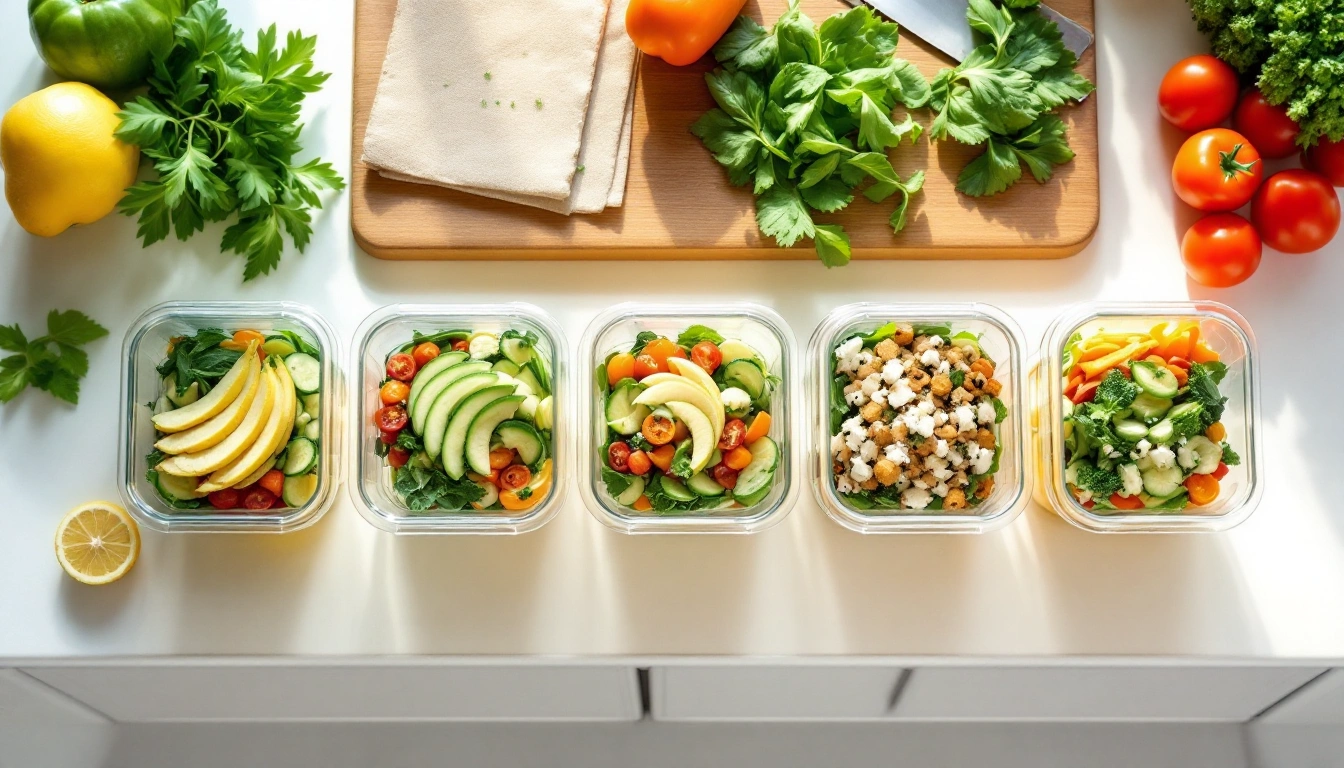
Pick one from each section for Sunday and you've got a full day of high protein meals covered without touching the stove again until Wednesday.
I put all three — plus the exact grocery list sorted by aisle — in the free 7-Day High-Protein Plan.
Why sorting by meal matters more than sorting by recipe
Most roundups list twenty recipes and let you figure out where they fit in the day. That's the part that eats your Sunday. If you know breakfast needs 25-30g, lunch needs 35-45g, and dinner needs 40-50g, you can grab any three recipes that clear those numbers and stop shopping around for more.
The gap is usually breakfast. Cereal, toast, and coffee land around 10g. Everything else in the day can be perfect and you're still short by dinner because the morning never had a chance to catch up.
The protein sources worth anchoring meals around
Chicken thigh and breast, 90/10 or leaner ground beef, eggs, plain Greek yogurt, cottage cheese, canned tuna and salmon, and a scoop of protein powder cover almost every high protein meal on this list. Buying two or three of these in bulk on prep day, instead of one ingredient per recipe, is what keeps the grocery bill from creeping up.
How long each one holds in the fridge
Cooked chicken, beef, and egg dishes are good for 3-4 days — check your own kitchen and trust your nose past that point. Greek yogurt and cottage cheese keep for the length of the tub, usually a week or more once opened. Cooked rice holds 4-5 days; toss it if it smells off before then.
Freeze what you won't reach by day four. Chili, skillet meals, and sheet pan chicken all freeze well for a month. Yogurt bowls and fresh salads don't freeze — build those fresh instead.
Swapping proteins without losing the number
Every recipe above works with a different protein source as long as the weight per serving stays close. Six ounces of chicken breast is about 40g; swap in six ounces of firm tofu, pressed and pan-fried, and you're closer to 15g — add a scoop of protein powder blended into the sauce or a side of beans to close the gap. Ground turkey and ground beef swap one-to-one by weight with only a small difference either way. Canned tuna and canned salmon swap one-to-one too.
The mistake that undercuts most high protein meals
Sauce and sides get added without checking what they're diluting. A cup of white rice under 6 ounces of chicken barely moves the protein number but doubles the plate size, so it's easy to feel full on 25g instead of 40g. Weigh the protein source once, note the number, and you won't need to weigh it again — you'll know what "enough" looks like on the plate from then on.
When one meal a day is the one you'll actually skip
For most people it's lunch — eaten at a desk, rushed, or skipped for takeout. A meal delivery service with high-protein lunch and dinner options covers that one meal without asking you to plan around it, and it's worth pricing out before the week it's actually needed.