High Protein Low Calorie Meals That Still Fill You Up
On this page 7
- Why protein-to-calorie ratio matters more than either number alone
- Where the calories usually come from in these meals
- Building volume without adding much calorie
- Three mistakes that quietly raise the calorie count
- Making it sustainable across a full week
- Reading a nutrition label for the ratio, not just the calorie count
- Prepping the sides that make these meals filling
High protein low calorie meals pack 25-35g of protein into 350-450 calories, a higher protein-to-calorie ratio than a typical meal built around pasta, rice, or bread as the main event. The idea isn't eating less — it's getting more protein out of the calories you're already eating, which is what actually keeps you full between meals.
Six that hit the ratio:
- Grilled chicken breast with roasted vegetables — 35g protein, around 350 calories, almost no added fat beyond a light drizzle of oil.
- Egg white and vegetable scramble — 24g protein, around 200 calories, filling for the calorie count because of how much volume the vegetables add.
- Shrimp stir-fry with a light sauce — 30g protein, around 300 calories, cooks in under 10 minutes.
- Cottage cheese bowl with fruit — 25g protein, around 220 calories, zero cooking.
- White fish with a big side salad — 32g protein, around 320 calories, one of the leanest combinations on the list.
- Turkey and vegetable soup — 28g protein, around 280 calories a bowl, and the broth adds volume without adding much to the calorie count.
Building a week around two or three of these keeps the protein number high without needing to track every ingredient closely.
I put a full week of meals — protein-forward and portioned this way — into the free 7-Day High-Protein Plan, with the grocery list already sorted by aisle.
Why protein-to-calorie ratio matters more than either number alone
A 500-calorie meal with 15g of protein and a 350-calorie meal with 35g of protein land very differently, even though the second one has fewer calories. Protein takes longer to digest than carbohydrates or fat, which is the main reason a high protein low calorie meal keeps you satisfied longer than a lower-protein meal with the same calorie count.
Where the calories usually come from in these meals
Cooking method matters more than the protein source itself. A grilled or baked chicken breast and a fried one have wildly different calorie counts for the same 35g of protein. Oil, butter, and sauces added during cooking are usually where a "low calorie" recipe quietly stops being one.
Building volume without adding much calorie
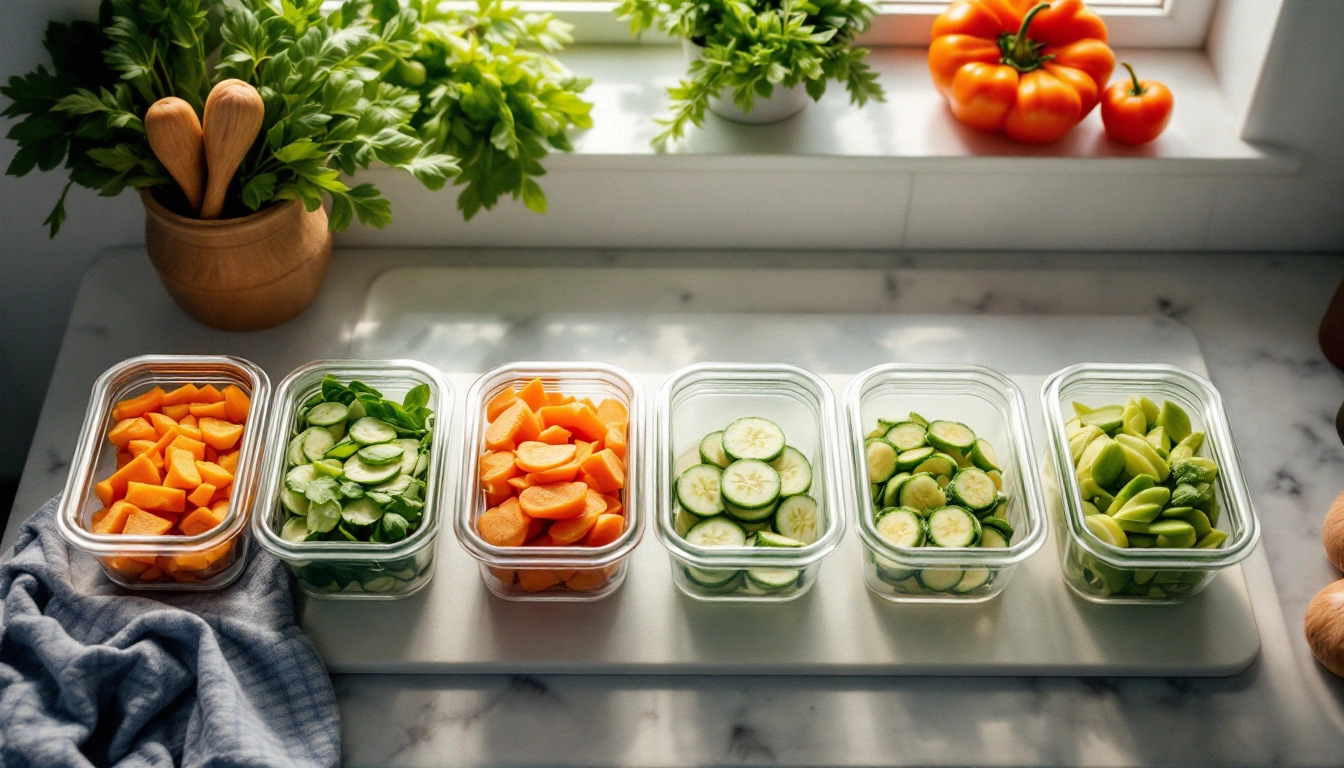
Vegetables — especially the leafy and watery kind, like zucchini, spinach, and cucumber — add bulk to a plate for very few calories. A meal that looks bigger because of vegetables satisfies the same way a bigger portion would, at a fraction of the calorie cost.
Three mistakes that quietly raise the calorie count
- Cooking in too much oil. A tablespoon of oil adds about 120 calories on its own — nearly a third of one of these meals' total budget. A light spray or a measured teaspoon keeps that in check.
- Choosing sauces without checking them. Cream-based and sugar-heavy sauces can double a meal's calorie count without adding any protein. A squeeze of citrus, a light vinaigrette, or a spice rub does more for fewer calories.
- Skipping protein at snacks and relying only on these meals. Three well-built meals a day still leave gaps. A cottage cheese cup or a hard-boiled egg between meals keeps the day's protein total consistent.
Making it sustainable across a full week
Two or three formats in steady rotation, the same as any other meal prep approach, keeps a high protein low calorie week feeling normal instead of like a project. The point is a fuller plate for the calories on it, not a smaller one.
Reading a nutrition label for the ratio, not just the calorie count
A package that advertises "low calorie" on the front doesn't automatically have much protein in it. Flip to the nutrition label and check grams of protein against total calories — a snack with 90 calories and 1g of protein isn't doing the same job as one with 90 calories and 12g. The front-of-package claim and the actual ratio are two different things.
Prepping the sides that make these meals filling
Vegetables and a light sauce or seasoning do more for how satisfying a high protein low calorie meal feels than the protein source alone. Roasting a large batch of mixed vegetables once a week, then adding a portion to whichever protein you're eating that day, keeps every plate feeling full without adding much to either the calorie or the prep total.