High Protein High Fiber Meals for Real Fullness
On this page 8
High protein high fiber meals pair 25g or more of protein with 8g or more of fiber in the same dish. Most high-protein recipes ignore fiber entirely, and most high-fiber recipes are light on protein — pairing them is what actually keeps a meal filling for hours instead of one or the other.
Six meals that clear both:
- Turkey and black bean chili — ground turkey, black beans, tomatoes, bell pepper. About 32g protein, 13g fiber.
- Lentil and chicken soup — shredded chicken, red lentils, carrots, celery. Around 28g protein, 11g fiber.
- Chickpea and salmon bowl — salmon fillet, chickpeas, roasted Brussels sprouts. About 34g protein, 10g fiber.
- Black bean and egg breakfast bowl — scrambled eggs, black beans, salsa, avocado. Roughly 26g protein, 12g fiber.
- White bean and Italian sausage skillet — chicken sausage, cannellini beans, spinach, tomatoes. About 30g protein, 9g fiber.
- Split pea and ham soup — diced ham, split peas, carrots, onion. Around 25g protein, 14g fiber, the highest-fiber option here.
I put a full week of high protein high fiber meals — these plus the rest of the week — into the free 7-Day High-Protein Plan.
The pairing math
Beans and lentils are the fastest way to add fiber without adding much cooking time — a can of black beans, drained and rinsed, adds about 15g of fiber and 15g of protein for less than a dollar. Pairing a can of beans with any of the meals in the free 7-Day High-Protein Plan's rotation is a quick way to push a 25g-protein meal into fiber territory too.
Why this combination holds you longer
Protein slows digestion on its own. Fiber does too, from a different mechanism — it adds bulk and slows how fast the stomach empties. Together, a meal with both tends to keep people full for longer than the same protein count paired with a low-fiber carb like white rice or bread. That's the whole case for building meals this way instead of chasing protein alone.
Batching beans and lentils for the week
Cook a big pot of lentils or a few cans of beans once, and add them to whatever protein you're already making that night. They keep for about a week in the fridge and freeze well in portioned bags, so a batch on Sunday covers meals well past the usual four-day window for cooked meat.
The two mistakes that undercut fiber
- Draining and skipping the beans instead of using them. A can of beans sitting in the pantry doesn't help the meal it was meant for. Add them straight into the pot with everything else — no extra step required.
- White rice as the default side. Swapping in brown rice, quinoa, or farro adds 3-5g of fiber per serving for zero extra effort. It's the easiest swap on this whole list.
A worked day
Breakfast: black bean and egg bowl — 26g protein, 12g fiber. Lunch: chickpea and salmon bowl — 34g protein, 10g fiber. Dinner: turkey and black bean chili — 32g protein, 13g fiber. Total: 92g protein, 35g fiber, well past the daily fiber target most people fall short of.
If beans aren't your thing
Chia seeds and ground flax add fiber without the texture some people don't like in beans — a tablespoon of either adds 3-4g of fiber and blends into oatmeal, smoothies, or a yogurt bowl without changing the flavor much. Vegetables like broccoli, Brussels sprouts, and artichokes also carry more fiber per cup than most people expect, so a bigger vegetable portion works as a backup plan.
Introducing more fiber without stomach discomfort
Adding beans and lentils to every meal at once can be uncomfortable for anyone who isn't used to that much fiber in a day. Ramping up over a week or two — one high-fiber meal a day at first, then two — gives the gut time to adjust. Drinking water alongside a fiber-heavy meal also helps, since fiber needs liquid to move through comfortably.
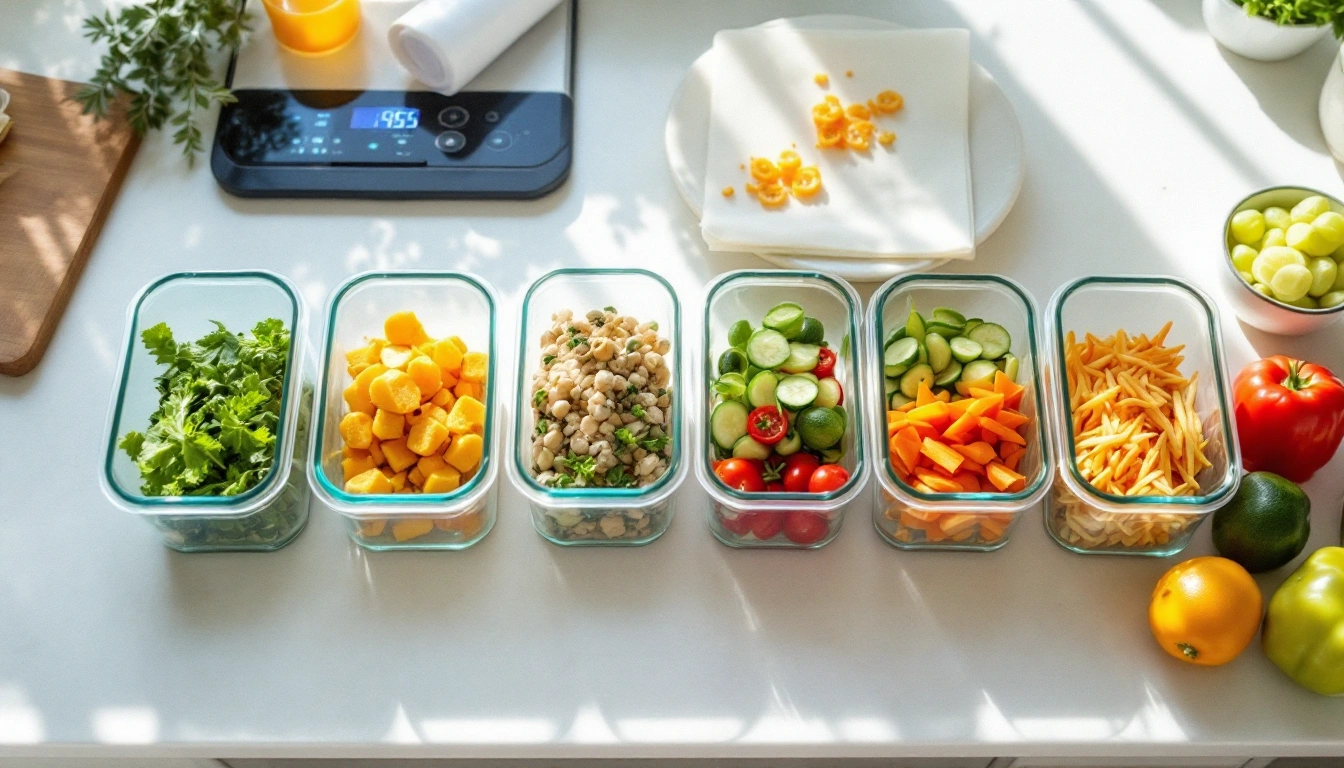
Storing the fiber-heavy ingredients separately
Beans and lentils hold their texture better than most vegetables over a few days, so it's worth cooking a bigger batch of those specifically and storing them apart from the rest of a meal — add them in fresh at reheating time rather than mixing everything together on prep day. This also makes it easy to boost the fiber count on any meal, even one from a different roundup, just by spooning some in.