Healthy Meal Prep Ideas That Don't Get Boring
On this page 9
- Rotating ideas instead of rotating recipes
- Building variety without more work
- What holds up and what to eat first
- Avoiding the trap that ends most meal prep habits
- Starting small if a full week feels like too much
- Mixing ideas across categories on purpose
- Keeping a running shortlist instead of a fixed plan
- Letting the season adjust the ideas without changing the format
- Feeding picky eaters from the same base
Healthy meal prep ideas stop working the moment they get repetitive. These are grouped by meal specifically so you can mix and match rather than committing to one full week's worth of recipes at a time.
Breakfast: overnight oats with Greek yogurt, egg bites with vegetables, or a cottage cheese bowl with fruit — all under 15 minutes of hands-on time.
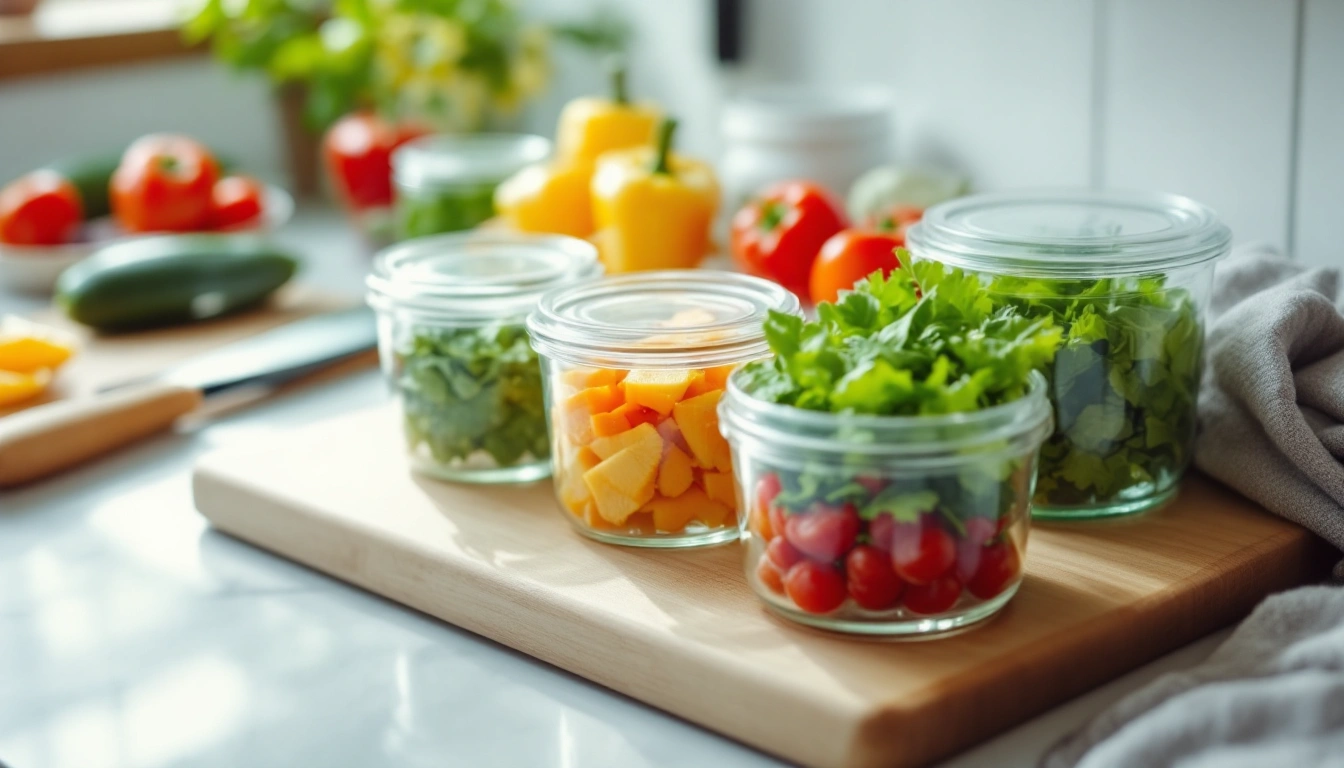
Lunch: a grain bowl with roasted vegetables and chicken, a mason jar salad with dressing on the bottom, or a wrap made the night before.
Dinner: sheet pan salmon, a slow cooker chili, or a stir-fry built around whatever protein's already in the fridge.
Snacks: cottage cheese with berries, hummus with vegetables, or hard-boiled eggs made in a batch of six.
Pick one idea from each category and you've got a full day covered without repeating a format from last week.
The free 7-Day High-Protein Plan strings ideas like these into a full week, with the grocery list already built.
Rotating ideas instead of rotating recipes
The difference between a healthy meal prep idea and a full recipe is flexibility — an idea like "grain bowl with roasted vegetables" can use whatever grain and vegetables are on sale that week, while a specific recipe locks you into exact ingredients. Thinking in ideas rather than fixed recipes is what keeps the grocery list adaptable and the meals from feeling repetitive.
Building variety without more work
Swapping the protein or the sauce on an otherwise identical format counts as variety and costs almost no extra time. A grain bowl with chicken one week and the same bowl with salmon the next is two different meals from one format. The vegetables, the grain, and the container stay the same — only the protein changes.
What holds up and what to eat first
Cooked chicken, salmon, and ground meat hold the standard 3-4 days — check your own kitchen if the fridge runs warm. Overnight oats and cottage cheese hold longer, closer to five days. Eat the more delicate ideas — mason jar salads with dressing, anything with avocado — earlier in the week and save the sturdier dishes for the back half.
Avoiding the trap that ends most meal prep habits
Committing to the exact same five meals every single week is what makes meal prep feel like a chore by month two. Keep four or five go-to ideas per meal type on rotation instead of one fixed weekly menu, and swap which ones you use week to week. The prep time stays the same; the boredom doesn't build up the same way.
Starting small if a full week feels like too much
Two healthy meal prep ideas — one breakfast, one lunch — is still meal prep, even if dinner gets figured out night by night. Building the habit with two meals covered is more sustainable than trying to prep all four categories from week one and burning out by week three.
Mixing ideas across categories on purpose
A grain bowl idea from the lunch list works just as well at dinner with a bigger portion, and a snack idea like hummus and vegetables can fill in as a light lunch on a day appetite runs low. Treating the four categories as a shared pool instead of four separate lists opens up more combinations without adding a single new recipe to learn.
Keeping a running shortlist instead of a fixed plan
Write down four or five ideas per category on an index card or a note on your phone, and pull from it each week rather than deciding from scratch every Sunday. The shortlist does the remembering so the planning step shrinks from twenty minutes of scrolling recipes to two minutes of picking from a list you already trust.
Letting the season adjust the ideas without changing the format
A grain bowl in the format above works with roasted root vegetables in cooler months and grilled zucchini or corn in warmer ones — same structure, different produce. The format stays useful year-round even as what's actually in the bowl changes with what's cheap and in season at the store that week.
Feeding picky eaters from the same base
Cook the base — the grain, the roasted vegetables, the protein — the same way for everyone, then let the picky eater's plate stay separated instead of mixed into a bowl. Someone who won't eat a grain bowl will often eat the same chicken and the same broccoli served plain, unmixed, without sauce. That's not two meals, it's one meal served two different ways. This works especially well for the lunch and dinner categories, where "grain bowl" for one person is just "protein plus vegetables on a plate" for the other, built from the exact same prep.