Healthy High Protein Meals for a Real Week
On this page 8
- Balancing protein with everything else on the plate
- Why "healthy" and "high protein" aren't automatically the same thing
- Keeping the fridge window realistic
- Three small swaps that raise the number without changing the meal
- Making it work on a night nothing's prepped
- Reading a recipe for the balance, not just the protein number
- Portioning so the balance holds all week
- Adjusting the ratio for a bigger appetite
Healthy high protein meals need two things at once: 30g or more of protein, and enough vegetables or fiber on the plate that the meal holds you until the next one. Protein alone isn't the whole picture — a plate of just chicken is high protein but not exactly a full meal.
Five that balance both:
- Salmon, roasted broccoli, and quinoa — 35g protein, plus fiber from the broccoli and the grain. Reheats well as a full bowl.
- Turkey chili with kidney beans — 30g a bowl, and the beans add fiber on top of their own protein.
- Greek yogurt bowl with berries and nuts — 25g from the yogurt alone, plus fiber from the fruit and a handful of walnuts.
- Chicken and vegetable stir-fry over brown rice — 32g, with three vegetables in the pan so it's not just protein and starch.
- Egg and vegetable frittata — 22g a slice, baked with spinach, peppers, and onion mixed through rather than on the side.
None of these need a separate side dish — the vegetables are already built in, which is most of why they hold up as a full meal instead of just a protein source.
I built a full week of healthy high protein meals — with the grocery list — into the free 7-Day High-Protein Plan.
Balancing protein with everything else on the plate
A meal built only around protein leaves out fiber, which is what actually slows digestion and keeps you full alongside the protein. The rough target: 30g protein, a cup of vegetables, and a modest serving of a whole grain or starch. Hit those three and the meal does more work than protein alone would.
Why "healthy" and "high protein" aren't automatically the same thing
A protein shake blended with only water and powder is high protein but skips fiber, vegetables, and most micronutrients entirely — fine as an occasional snack, not a meal on its own. A salad with grilled chicken, roasted vegetables, and a grain underneath checks more boxes even if the protein number is similar.
Keeping the fridge window realistic
Cooked chicken, turkey, and salmon hold 3-4 days as a rule of thumb — check your own kitchen for anything sitting somewhere warm. Chili and stews often improve by day two as the flavors settle, and the beans in a chili extend the fiber content without diluting the protein at all.
Three small swaps that raise the number without changing the meal
- Swap sour cream for plain Greek yogurt on a chili or taco bowl — adds 3-4g and barely changes the flavor.
- Add a second egg to an omelet or frittata — an extra 6g for almost no extra time.
- Use Greek yogurt instead of mayo in a chicken or tuna salad — adds 10-12g across the batch.
Making it work on a night nothing's prepped
Keep a can of beans, a bag of frozen vegetables, and a bag of pre-cooked grain pouches in the pantry. Fifteen minutes turns those three into a healthy high protein meal that didn't need a Sunday prep session at all — not as good as a planned week, but it beats skipping the meal or ordering out on the nights the plan doesn't hold.
Reading a recipe for the balance, not just the protein number
Before adding a new recipe to the rotation, check what's on the plate beyond the protein source. A recipe that's 35g of chicken with nothing else isn't wrong, but it's not a complete healthy high protein meal on its own — pair it with a vegetable and a small starch before calling it dinner. Recipes that already build the vegetables in, like the frittata or the stir-fry above, save that extra step.
Portioning so the balance holds all week
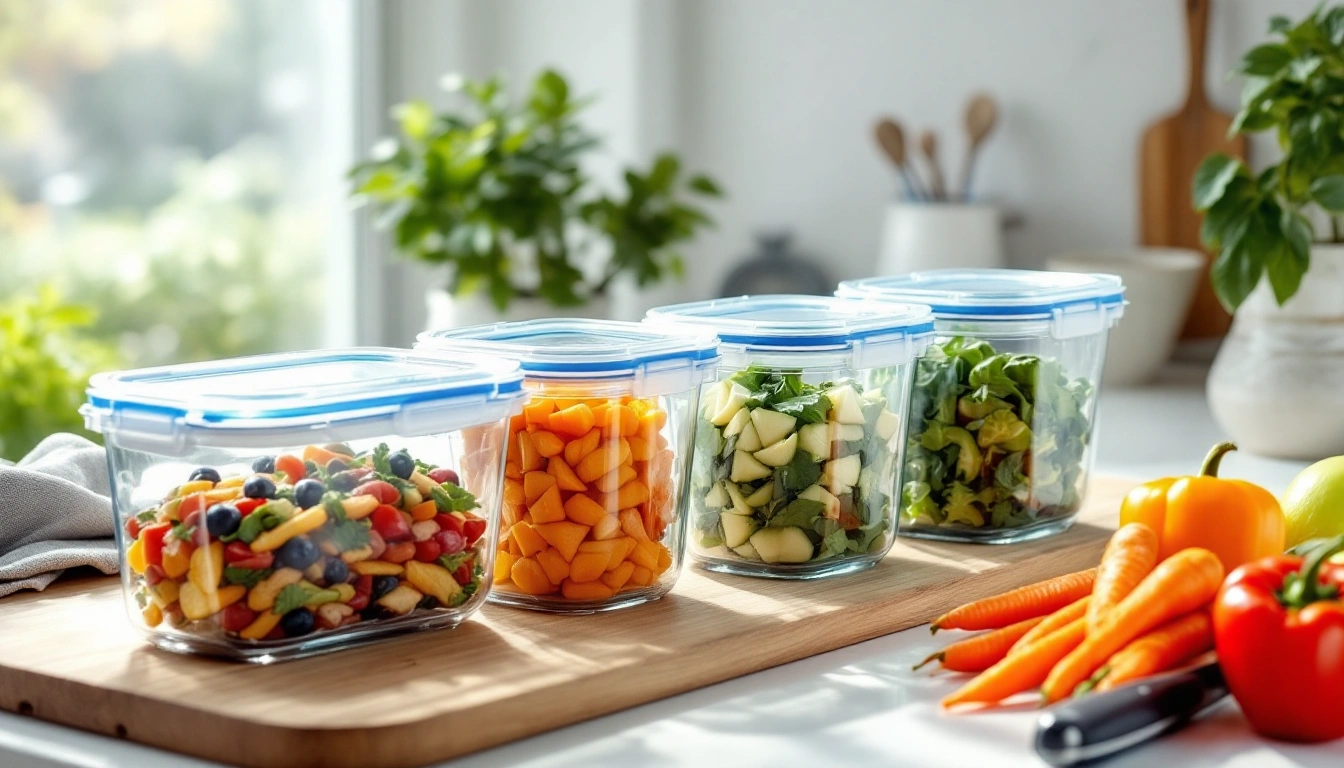
Split each of these five into daily containers on the day you cook rather than storing one large batch. A shared tub tends to get served unevenly — more protein in the first portion, more vegetables left for the last one — which quietly throws off the balance by day four even if the recipe itself was built right.
Adjusting the ratio for a bigger appetite
Not every day needs the same 30g target. On a heavier activity day, add a second egg, an extra half cup of beans, or a larger portion of the protein rather than building an entirely different meal. The base stays the same; only the portion size moves.