Freezer Meal Prep: One Afternoon, Weeks Covered
On this page 8
- Doubling recipes without doubling the work
- What actually holds up in the freezer
- The three mistakes that waste a freezer meal prep session
- Thawing without losing a day
- Building out the freezer stock over time
- Organizing the freezer so meals actually get found
- Choosing which meals get the freezer treatment
- Running two smaller sessions instead of one
Freezer meal prep means cooking multiple meals in one session and freezing what you won't eat within four days, so one afternoon in the kitchen covers two to three weeks of dinners. The math that makes it worth it: three hours of cooking on a Sunday can fill 10-14 freezer meals if you double or triple recipes instead of starting from scratch each time.
Six meals that freeze well:
- Chili — cooks in one pot, freezes flat in bags for months, reheats on the stove in 15 minutes.
- Turkey meatballs — bake a double batch, freeze on a tray first so they don't clump, then bag them. Pull out exactly what you need.
- Casseroles — assemble unbaked, freeze, then bake straight from frozen (add 15-20 minutes to the cook time).
- Soup — anything brothy freezes better than anything cream-based, which can separate when it thaws.
- Pulled chicken or pork — cook a large batch in a slow cooker, shred, freeze in meal-sized portions with the sauce.
- Breakfast burritos — assemble, wrap individually, freeze flat. Microwave from frozen in under three minutes.
Two afternoons a month, alternating formats, keeps the freezer stocked without one massive cook day eating your whole Sunday.
I put a full week of meals — freezer-friendly and fresh — into the free 7-Day High-Protein Plan, with the grocery list already sorted by aisle.
Doubling recipes without doubling the work
Pick recipes that scale by simply doubling ingredients in the same pot — chili, soup, and shredded meat all do this without changing cook time. Casseroles and baked dishes usually need two pans instead of one bigger one, since oven heat doesn't reach the center of a doubled dish evenly.
What actually holds up in the freezer
Three months is the honest window for freezer meals staying good, not because they go bad after that but because flavor and texture both drift. Label everything with the date, even though it feels unnecessary in week one — by week six you won't remember which container is which.
Anything with potatoes goes grainy after freezing. Rice holds up fine. Pasta gets soft, so slightly undercook it before freezing if a recipe calls for it.
The three mistakes that waste a freezer meal prep session
- Freezing in one giant container. A single 8-serving lasagna means thawing the whole thing for a 2-person dinner. Portion into meal-sized containers before freezing, not after.
- Skipping the flash freeze on loose items. Meatballs, dumplings, and burritos frozen directly in a bag clump into one solid block. Freeze on a tray for two hours first, then bag.
- Not leaving room for expansion. Liquids expand as they freeze. A container filled to the brim will crack or pop its lid. Leave an inch of headspace.
Thawing without losing a day
Move what you need to the fridge the night before — most freezer meals thaw safely in 12-24 hours. If you forget, a chili or soup can go from frozen to the stove directly, just add 20-30 extra minutes on low heat.
Building out the freezer stock over time
You don't need one session to fill it. Freezer-safe glass containers and a vacuum sealer make the difference between food that lasts three months and food that gets freezer burn in three weeks — worth having before the first cook session, not after you've lost a batch to it.
Organizing the freezer so meals actually get found
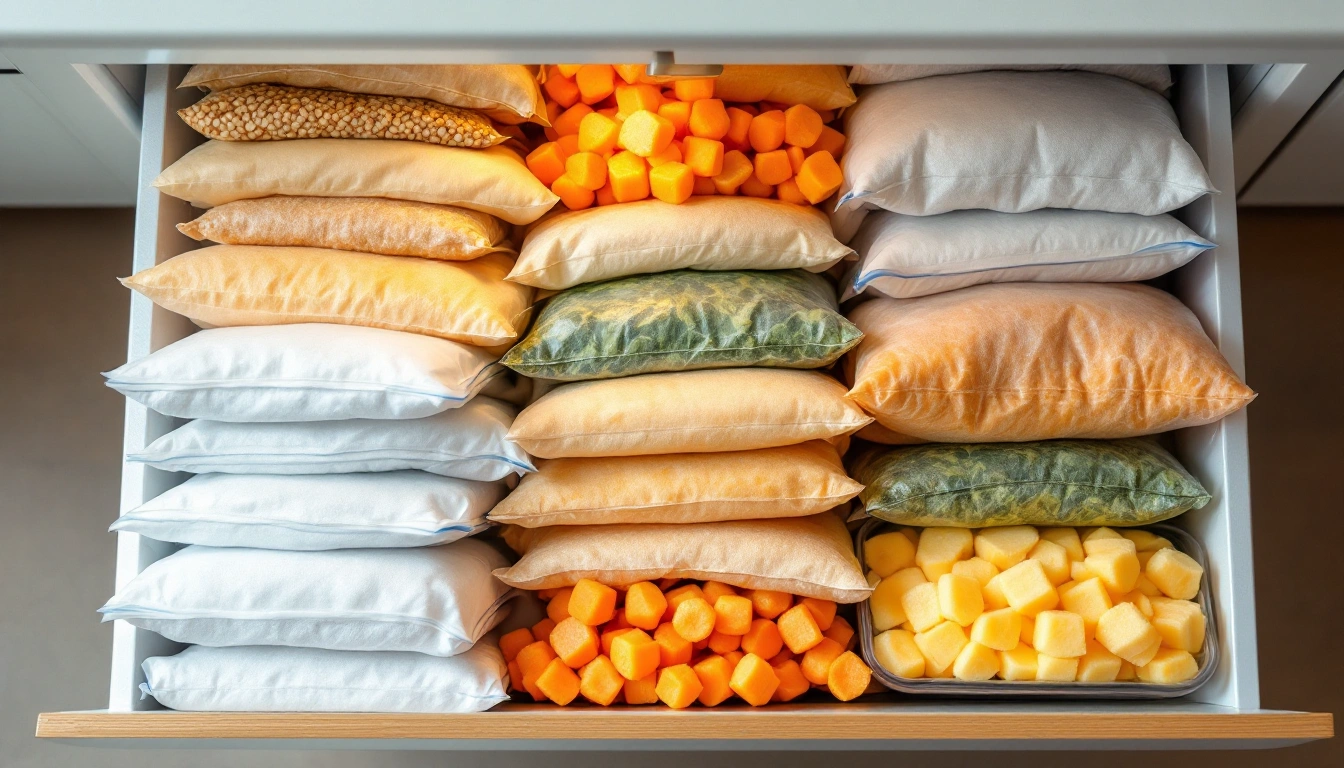
A freezer meal prep stash only works if you can find what you're looking for on a weeknight. Group by meal type — dinners on one shelf, breakfast items on another — and keep a running list taped to the freezer door or saved on your phone. Without a list, the oldest containers sink to the back and get forgotten until they're freezer-burned past the point of being appetizing.
Choosing which meals get the freezer treatment
Not every recipe is worth freezing. Dishes with a lot of fresh herbs, delicate greens, or a crispy element lose more in the freezer than they save in convenience. Save the freezer for meals that are already built around long, slow cooking — stews, braises, ground meat dishes — and keep the fresher, faster recipes for the days you're cooking that same week.
Running two smaller sessions instead of one
Splitting freezer meal prep into two shorter sessions two weeks apart, rather than one long day, keeps any single session from feeling like a chore. It also means the freezer never sits fully empty for long, since a fresh batch lands before the last one runs out.